Social Factors >
Diverse Talent Recruitment and Skills Cultivation
Diverse Talent Recruitment and Skills Cultivation
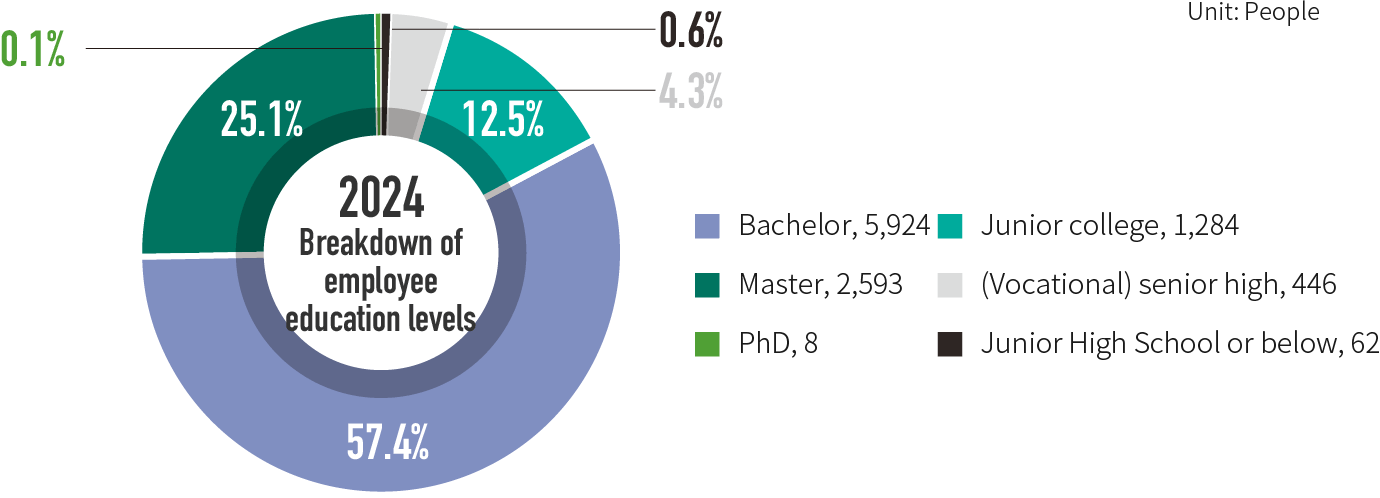
Employee composition and diversity
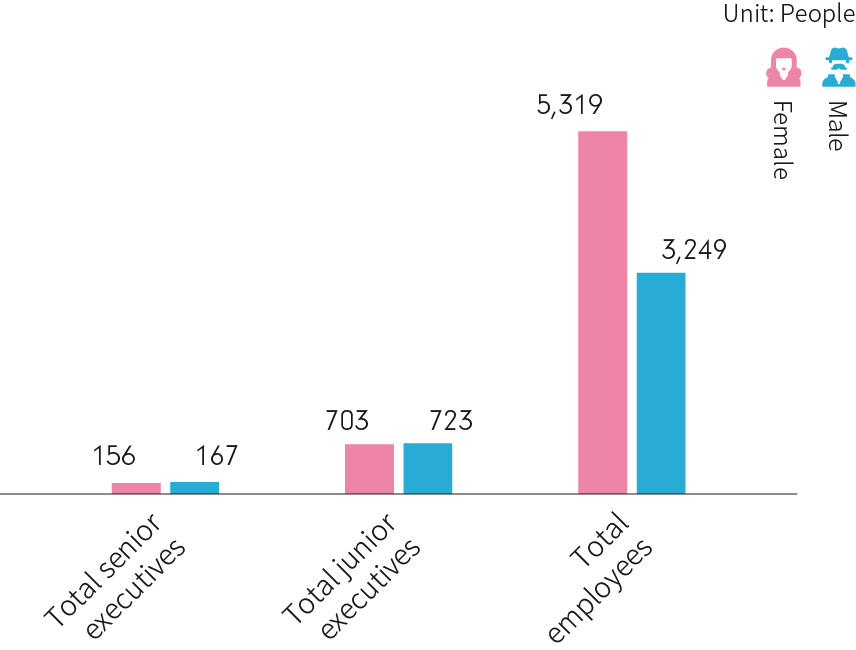
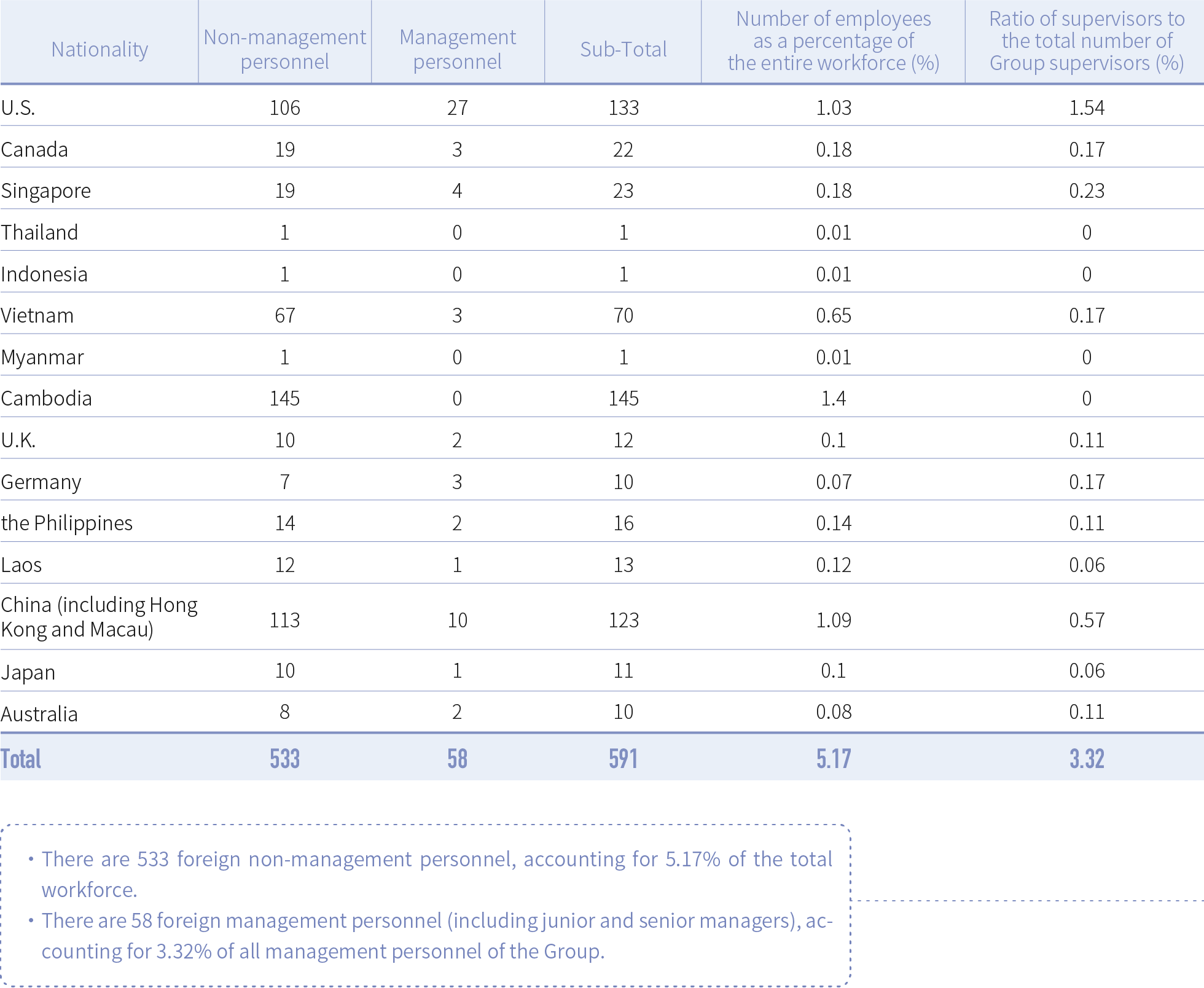
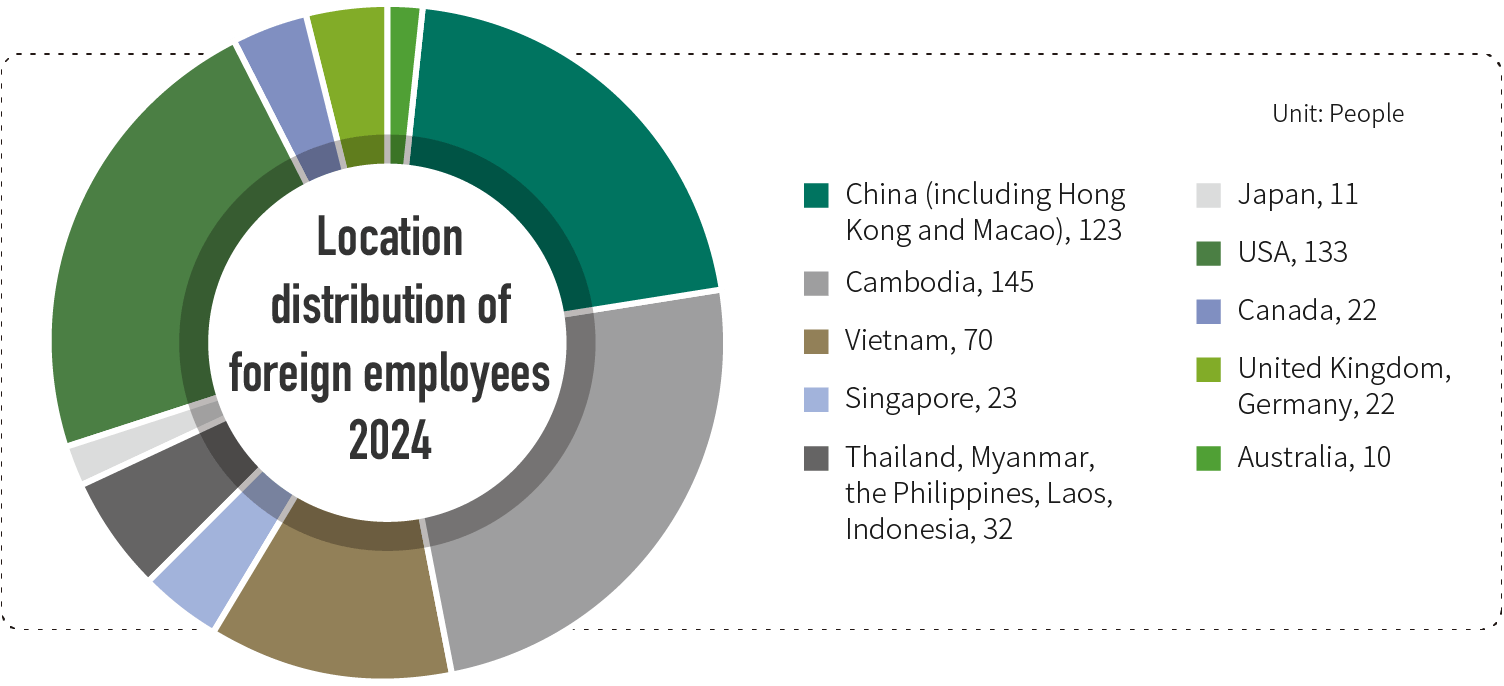
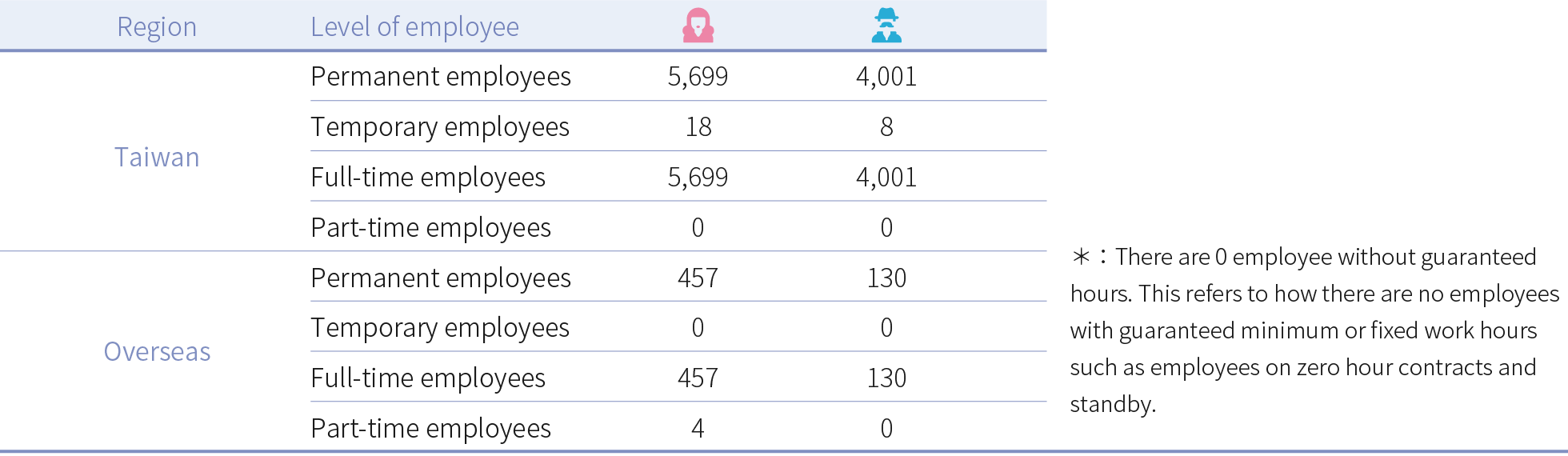
Employees form the core of the financial service industry. FFHC has not only established a brand image of sound management in the minds of the general public but is also working actively to build a "happy workplace." We have long adhered to our philosophy of "employees are the company's most valuable asset." We are committed to creating an ethical, transparent, caring and cooperative working environment for employees. Employees are also encouraged to realize their full potential and create value.As of 2024, the number of full-time employees in the group is 10,317 (591 foreign personnel (including 89 new employees), 6,178 female employees, 4,139 male employees, female to male ratio of approximately 6:4, managerial personnel account for 17.0%, female managerial personnel account for 49.11%, the proportion of female managers and employees is higher than their male counterparts; The proportion of senior management hired from domestic residents was 100%. Additionally, there were a total of 492 non-employee workers (includes staffers, security, maintenance, and cleaning personnel) at the Group in 2024.
◎ 2024 Total employee headcount - by job positions
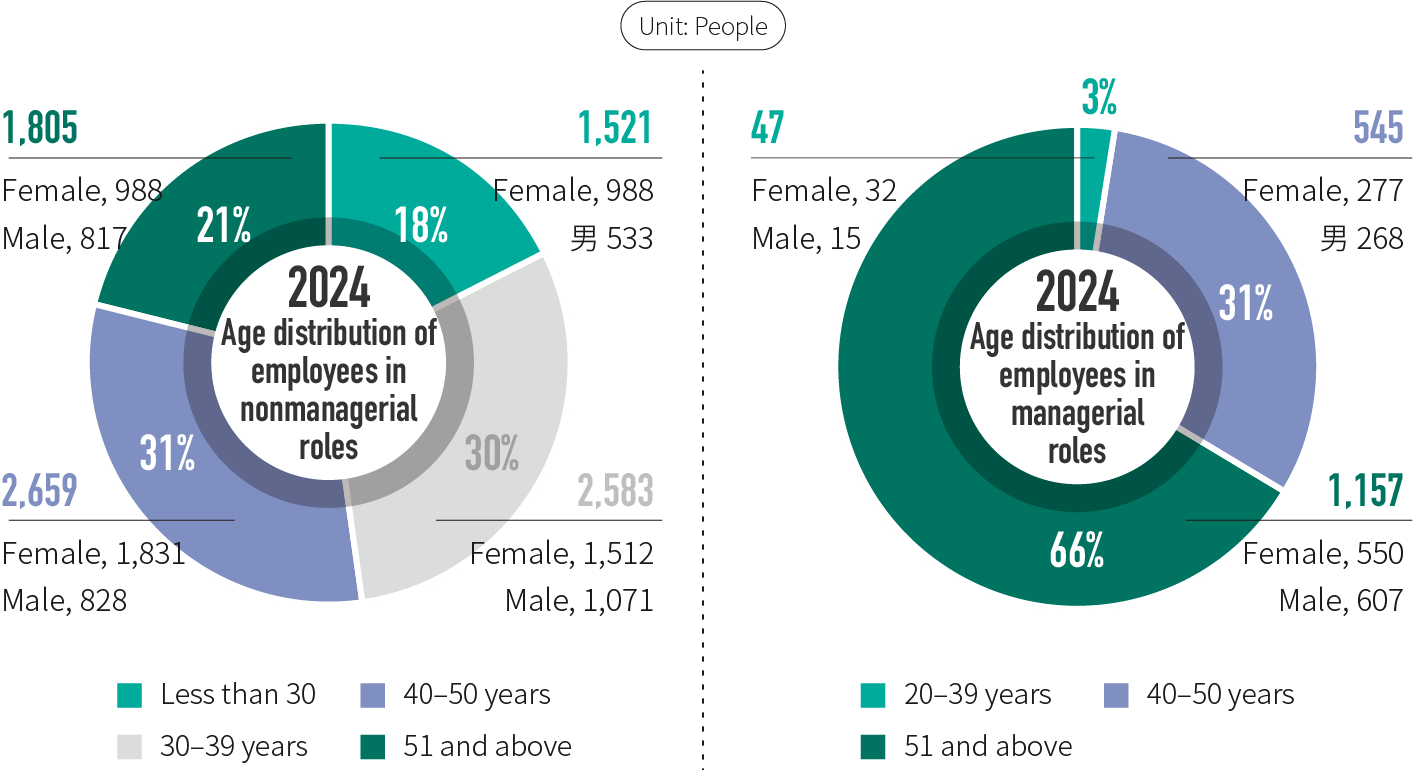
◎ 2024 Statistics of Non-Employee WorkersUnit: People

*:This statistic refers to the personnel dispatched from Headquarters who are non-employee workers covered by the occupational health and safety management system.
◎ 2024 Foreign Employees by Nationality and PercentageUnit: Person
◎ Employee Composition Statistics of the GroupUnit: People
Human Capital and Recruitment
To catalyze the development of innovative financial products and services, we recruit top professionals with a background in business management, information science, science and engineering, law or psychology. Since 2014, we have recruited more than 400 professional personnel and high-level managers with related digital technology expertise such as information safety management, big data analysis, social media management, and Internet marketing management. In coordination with the global strategy of dedicating recruitment efforts in the ASEAN region, the search for talent also continues in overseas locations across the U.S. and Europe. The addition of an overseas group when hiring reserve managers has resulted in the active recruitment of talent with language skills such as English, French, German, and Spanish into the operations team to implement an elite talent cultivation policy based in diversity.
On the other hand, the Company focuses on the observable professional capabilities of employees as well as their internal personality traits to predict the future job performance of employees. As such, a variety of digital tools have been introduced for this purpose, such as: AI video interviews and talent assessment systems to improve the efficiency of talent selection and act as a basis for refining human resource development. In order to understand the leadership potential of employees, the bank introduced the Career Personality Aptitude System (CPAS) for the selection of deputy manager reserves in 2014. The result of aptitude tests provides an objective assessment of managerial capabilities and were given to interviewers for reference and improving the identification of professional ability as managers. Starting in 2016, the test was also implemented into the selection process of core reserve talent (MA).
◎ Status of diverse talent recruitment in 2024
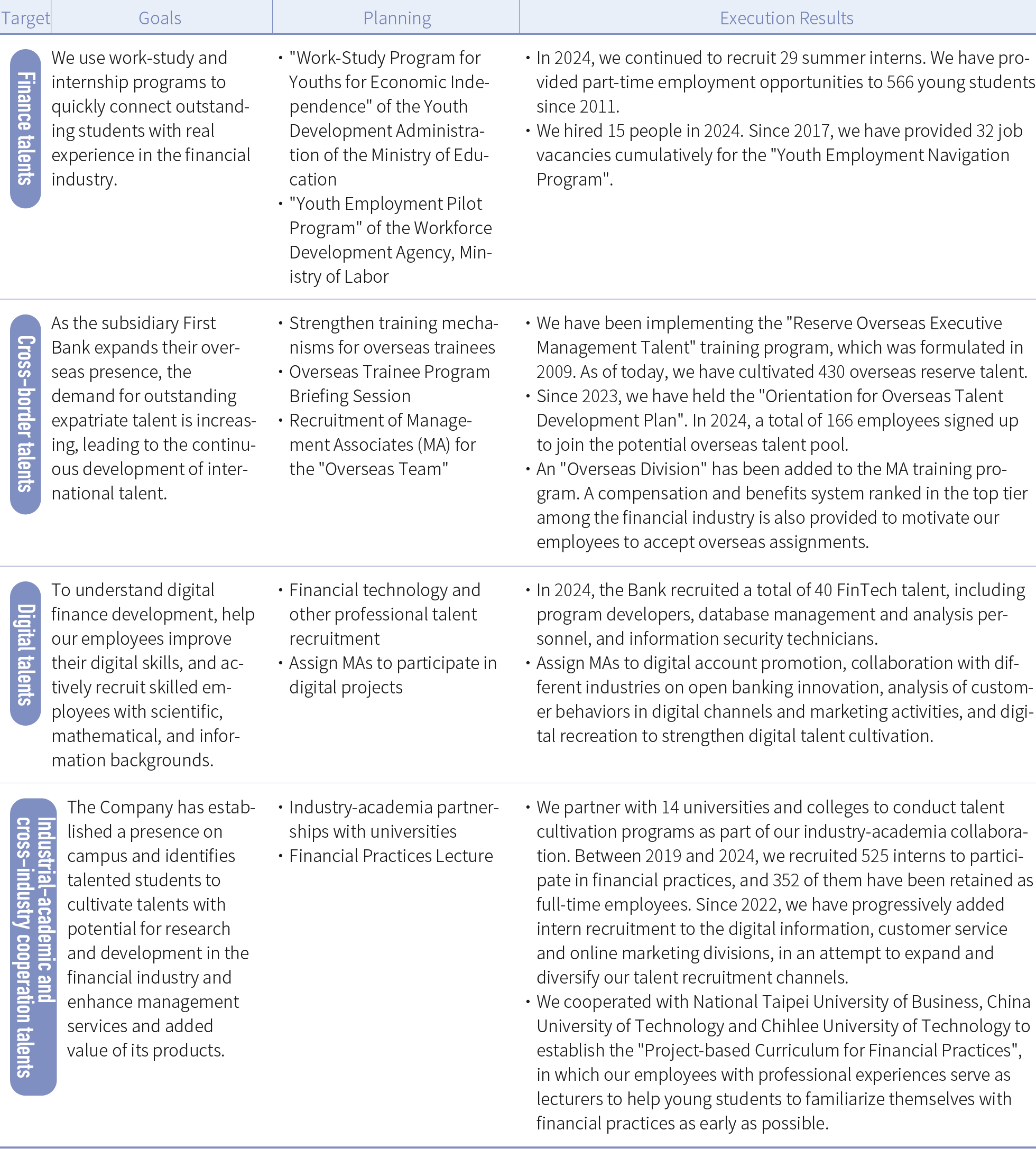
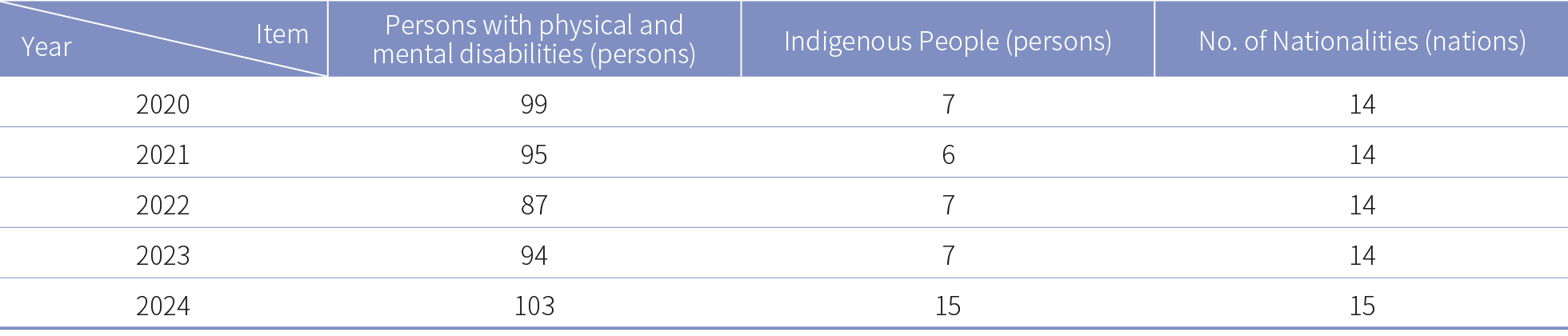
The Group recruits new employees each year, embracing multicultural diversity without restrictions on school, major, age, class, or gender. In 2024, we recruited a total of 687 new employees, with a female-to-male ratio of approximately 6:4. Our overseas operations also prioritize providing employment opportunities to local residents, highlighting our group's commitment to cultural diversity and inclusion. In 2024, all subsidiaries employed people with disabilities at rates that met or exceeded the standards set by regulatory authorities, and they received the same salary and benefits as regular employees.
◎ Overview of employee diversity in the past years
◎ Statistics of new recruits and total number of employees in 2024
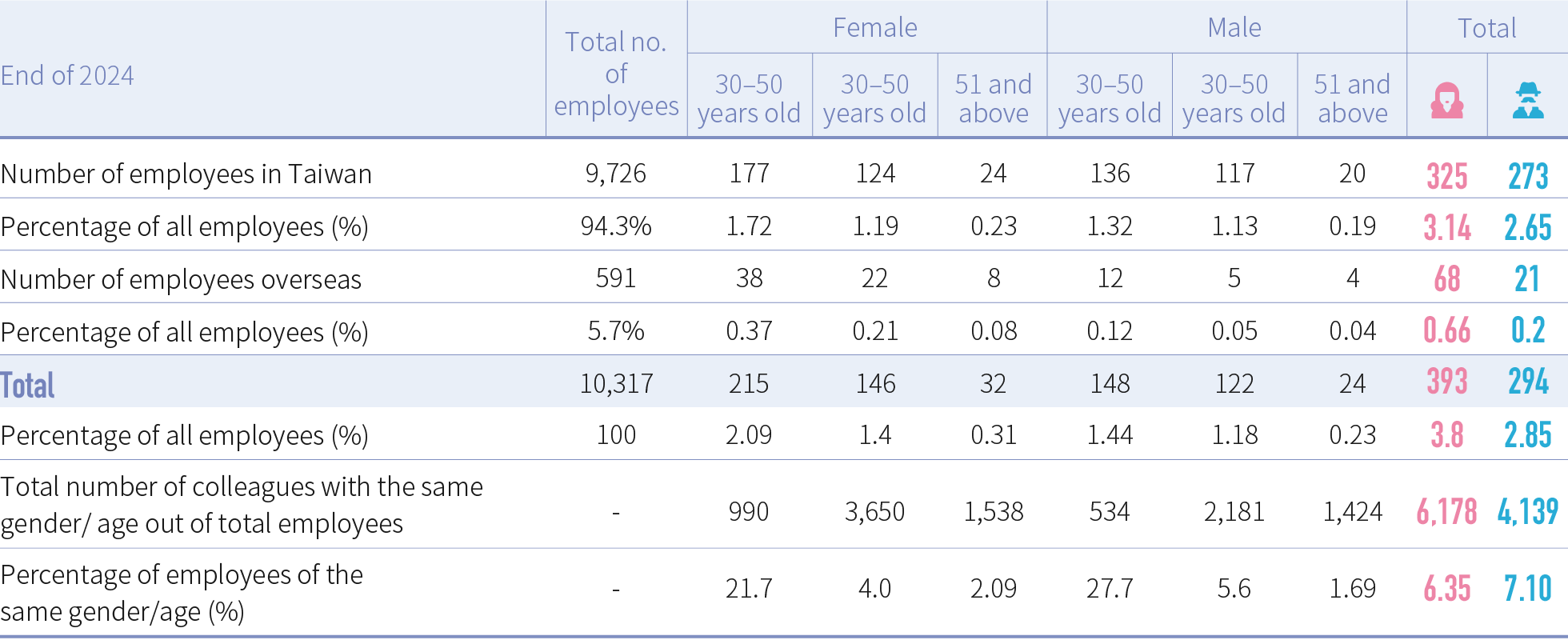
◎ Statistics of new recruits in past yearsUnit:persons

Human Resource Management Risk Map
FFHC evaluates the impact of ESG risk factors on the Group's operations in the establishment of business locations, new business development, loan investments, procurements, planning of business strategies, and human resource development.The human resource management risk graph drawn up based on the 22 selected evaluated factors in 2024, with the vertical axis as incidence probability and horizontal axis as the impact on company operations, is as follows. The 10 factors designated as medium to high probability incidence were categorized as those requiring risk management.
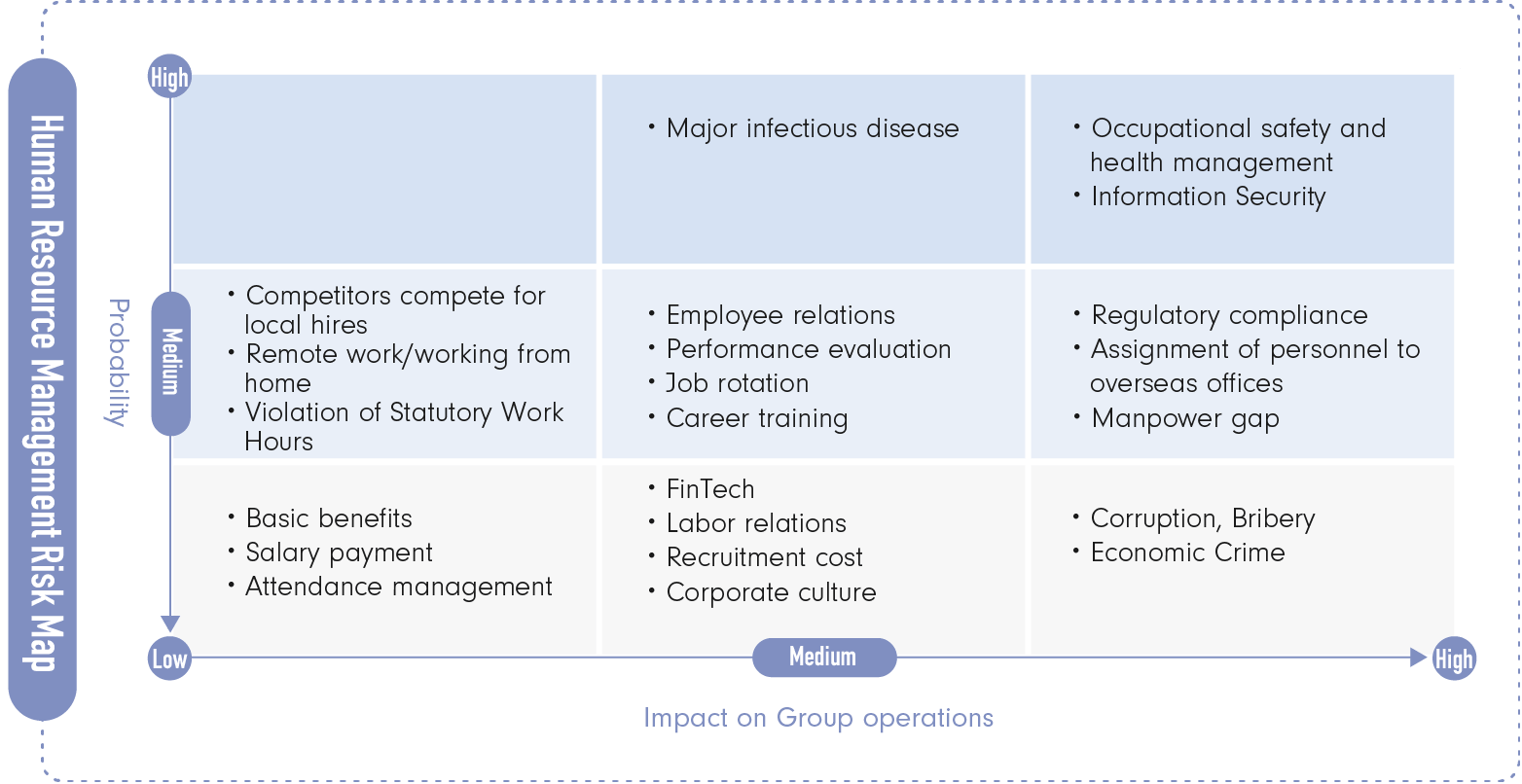
In 2024, due diligence investigations were conducted to identify the occurrence rate and impact level of major issues such as "occupational safety and health management", "information security", and "major infectious diseases" to establish and implement plans that can mitigate relevant risks and their impact on this Group, such as: In response to natural disasters such as earthquakes and fires and geopolitical risks of overseas operating locations, the task group method is used to form crisis management teams that seek solutions to prevent the risk of interruption to operations in the event of a crisis or disaster.
Complete development system
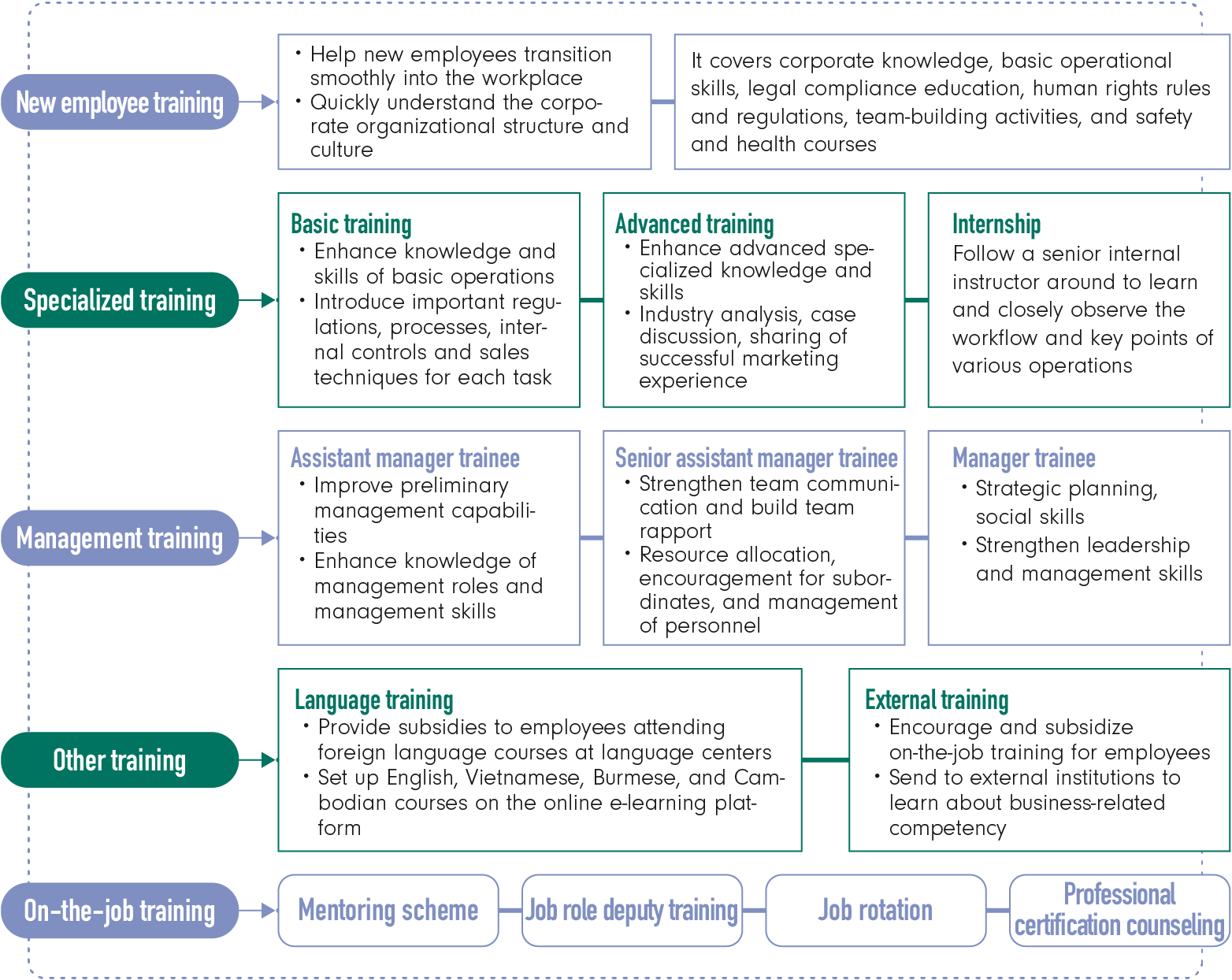
First Financial Holding has established a comprehensive employee training program, covering onboarding for new hires, foundational and advanced professional development, and leadership pipeline cultivation.For the selection of managerial personnel, the process includes relevant training courses and assessments, as well as one to two rounds of interviews and 270-degree evaluations involving supervisors, peers, and subordinates, to comprehensively assess candidates' management and leadership competencies.
To further enhance managerial capabilities, targeted training programs are provided based on different management levels, focusing on communication skills, problem-solving in managerial contexts, and overall improvement in management quality.
Regarding employee training, active participation in training courses and obtaining certifications required for relevant business operations are encouraged, as well as the submission of innovative work proposals. Professional certifications are considered a bonus item in the annual performance evaluations, and adopted innovative proposals are rewarded with bonuses. The Group also organizes a variety of professional training, online training, internships, language training, internal certification testing and management competency training. To acquire new financial knowledge and understand the latest industry developments, personnel are frequently sent to attend training courses organized by professional training bodies.
◎ Career training system
◎ Bonuses awarded for innovative employee proposals over the yearsUnit: case/NTD

Talent training program
Employee Transition & Advancement Program
Utilizing a 3 by 3 grid matrix approach factoring in things such as talent appraisal and performance potential, we are able to discover talented people with high performance or high potential within the Bank. We have customized the "Individual Development Program" which caters to different professional backgrounds, language proficiency levels and competency analysis. We also continue to work with external professional training organizations to enhance various professional financial competency in order to facilitate job rotations and help employees with their transition and growth. For example, we have cooperated with the Taiwan Academy of Banking and Finance and Taipei Foundation of Finance to conduct professional competency training on overseas reserve personnel in areas such as foreign exchange derivatives, trust, compliance and AML. We have also purchased and installed online courses and learning platforms focusing on diverse management and soft power at the workplace, providing a variety of courses and learning channels. Furthermore, we have also conducted various professional training and foreign language courses independently, as we strive to enhance our language, business and diverse management capabilities while grooming reserve professional talent for our overseas operations. To enhance our employees' digital banking literacy, we would arrange for our employees to take part in external FinTech training courses and seminars. As of the end of 2024, we had conducted a total of 15,659 hours of FinTech-related courses internally, with 9,233 attendees in total. First Securities and First Securities Investment Trust arrange professional training courses such as pre-service training, on-the-job training, and business seminars through related business associations and the Securities and Futures Institute.
Culture Education
Courses arranged for our new recruits include the Group's history, ESG policies, our group development strategy, and corporate image, as part of our efforts to increase corporate culture alignment. For professional courses targeting overseas reserve personnel, we would invite external lecturers to teach cross-cultural communication and management, disagreement situation identification and relevant responses and communications, in order to improve their adaptability and work efficiency. We would also arrange our overseas branch employees to return to Taiwan for training, so that they understand the latest business regulations and policy directions.
Mentor-protégé guidance system & team-based learning
To enhance our employees' professional capabilities and organizational cohesiveness, we have incorporated the mentor-protégé guidance system and team-based learning into our training courses for new recruits, business personnel and executives, in addition to arranging senior employees or executives to act as mentors to help their students familiarize themselves with business activities as soon as possible, develop professional skills, and pass on hands-on experiences and corporate culture. Since 2022, we have promoted the "First Good Buddy" guidance system, where employees with positive characteristics are arranged to act as new hires' guidance counselors, in an effort to strengthen their workplace adaptability and interpersonal connections. Allowances for dining out are also provided to promote exchanges. Based on our survey of new recruits in 2024, their level of satisfaction with the First Good Buddy system reached 92 points (out of 100). A team-based learning system has also been adopted into our courses on executive leadership and the transition to digital banking. Through approaches such as panel discussions, project rehearsals and experience exchanges, we seek to promote knowledge co-learning and practical connections, in addition to improving team cohesiveness.
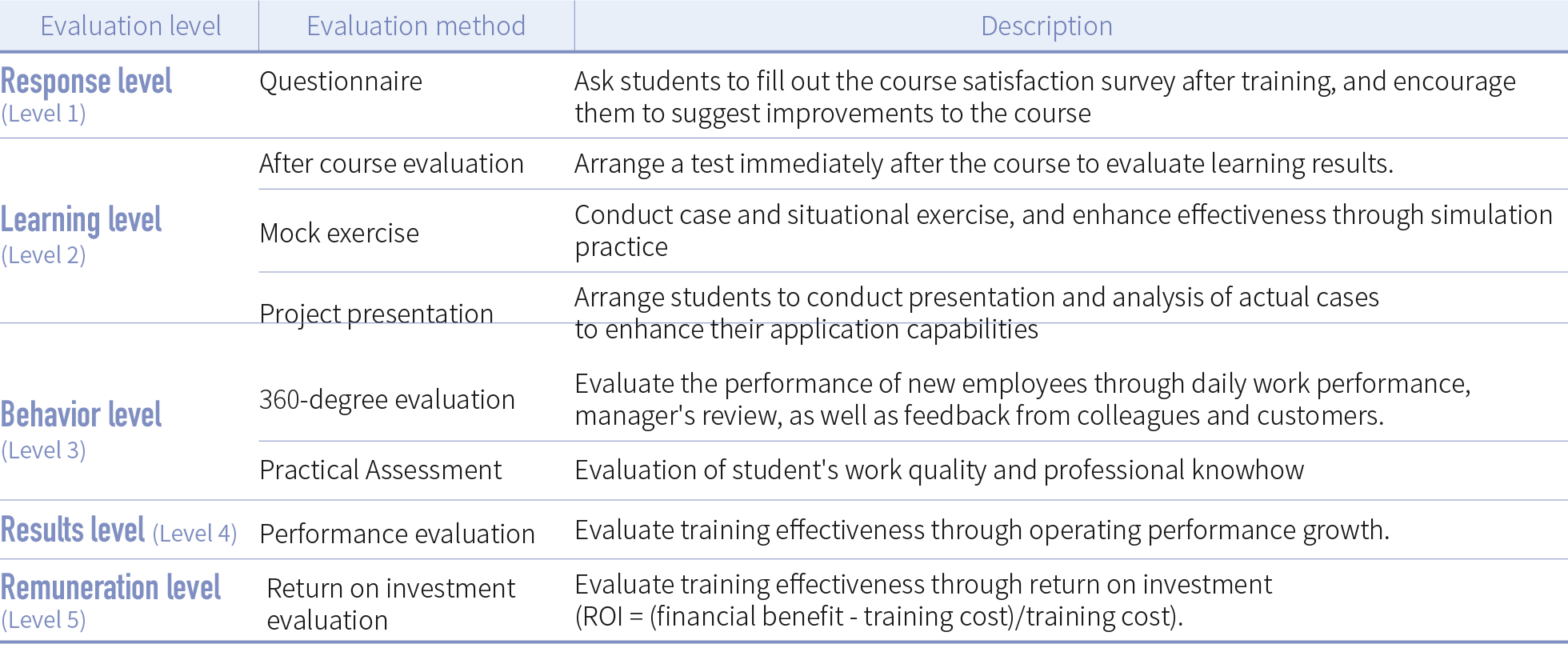
◎ Training effectiveness statistics table of the Kirkpatrick Model over the years
▼ Training program to link ESG and operations
Objective: Implement ESG concepts in core financial operations to exert sustainable impact.
Benefits: Enhance employees' knowledge of sustainable finance and business capabilities, increase social participation, and boost the proportion of green financing business.
Training methods: Culture training & mentor-protégé guidance system
Individuals required to attend the courses: All employees
Courses attended: 25,283 people, accounting for 100% of employees
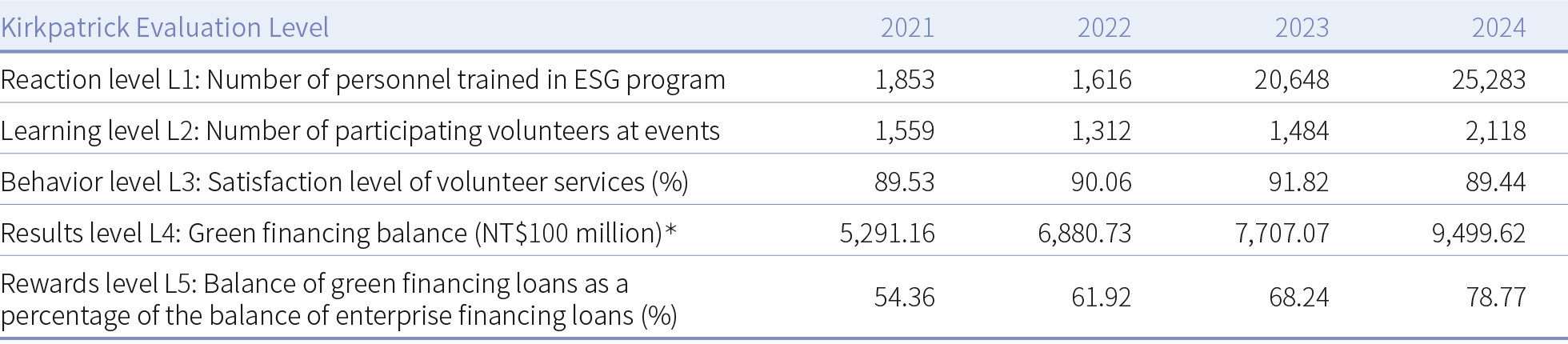
*:The green financing balance refers to the (sum of renewable energy sustainable loans + green industry and green enterprise preferential financing projects + ESG infrastructure financing + sustainability-linked credit projects + preferential financing for the six core strategic industries).
▼ Management Trainee Succession and Training Program
Objective: Improve the leadership and management functions of managers to achieve business goals.
Benefits: Arrange courses to strengthen leadership skills to enhance talent retention and reduce operational risks.
Training methods: Mentor-protégé guidance system & team-based learning
Individuals required to attend the courses: Management personnel
Courses attended: 516 people, accounting for 5.97%

*:Operational risk ratio = (Operational risks/Total risk-weighted assets) *100%
*:Estimated return on investment (ROI) from training = Revenue - (operating expenses - (salary cost + benefit cost)) ÷ (salary cost + benefit cost)
▼ Digital Finance Talent Transformation Program
Objective: Strengthen employees' expertise in digital finance products and services, as well as marketing capability.
Benefits: We acquired 189 patents on FinTech inventions and new models and 3,983 employees passed the "FinTech knowledge certification". Transaction fee earnings and enhanced digital marketing effects by improving the smart customer service system, digital welcome system and new functions in the mobile sales platform app.
Training methods: Mentor-protégé guidance system, team-based learning, and employee transformation & advancement program
Individuals required to attend the courses: All employees
Courses attended: 6,660 people, accounting for 77.1%

*:Digital transaction income = Processing fees and interest income from electronic transactions.
▼ Overseas Reserve Talent Program
Objective: Accelerate the cultivation of necessary business expertise for overseas talent.
Benefits: Improve the business capabilities of overseas personnel, reduce their turnover rate, and increase overseas profits.
Training methods: Culture training & mentor-protégé guidance system
Individuals required to attend the courses: Overseas reserve talent
Courses attended: 171 people, accounting for 1.98%

*:The growth rate of our overseas gross profit (including offshore banking units, or OBU) amounted to -5.84% in 2024, which was mainly due to a decrease of US$23 million in interest revenue resulting from D acting on behalf of O (DBU was commissioned by OBU to handle its offshore foreign currency credit business).
▼ Securities Salesperson Transformation Program
Objective: Guide salespeople in their transformation into all-rounded financial advisors in response to digital developments.
Benefits: To enhance marketing synergy and to improve insurance sales capabilities, we saw a total of 174 securities brokers obtain investment-type insurance licenses in 2024, resulting in a 63% growth in the return on investment for co-marketing insurance products.
Training methods: Employee transformation & advancement program; mentor-protégé guidance system
Individuals required to attend the courses: Salespersons
Number of participants: 226 people, accounting for 27.5%
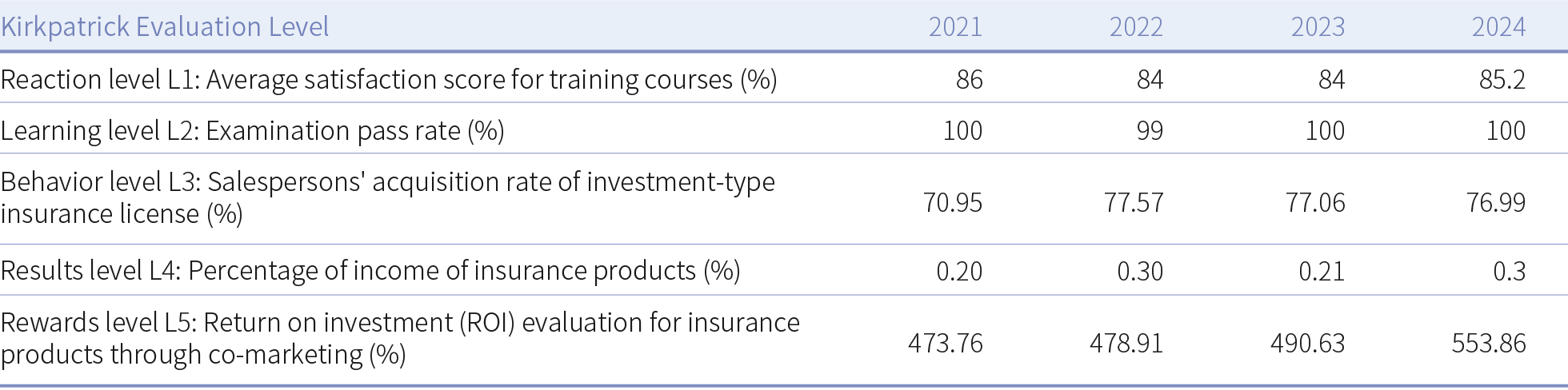
*:Insurance product income = Service fee income for sales of insurance products.
▼ Professional Insurance Talent Training Program
Objective: Strengthen our professionalism in insurance to enhance marketing momentum.
Benefits: The subsidiary life insurance company saw a bump of 1.08% in customer satisfaction in 2024.
Training methods: Employee transformation & advancement program, mentor-protégé guidance system, and team-based learning
Individuals required to attend the courses: Salespersons
Number of participants: 358 people, accounting for 100%

*:Operational risk ratio = (Operational risks/Total risk-weighted assets) *100%
*:Estimated return on investment (ROI) from training = Revenue - (operating expenses - (salary cost + benefit cost)) ÷ (salary cost + benefit cost)
Employee Training and Development
To enhance employee learning efficiency, 494,715 employees participated in internal and external training courses in 2024, with an average training time of 62 hours. Among these,
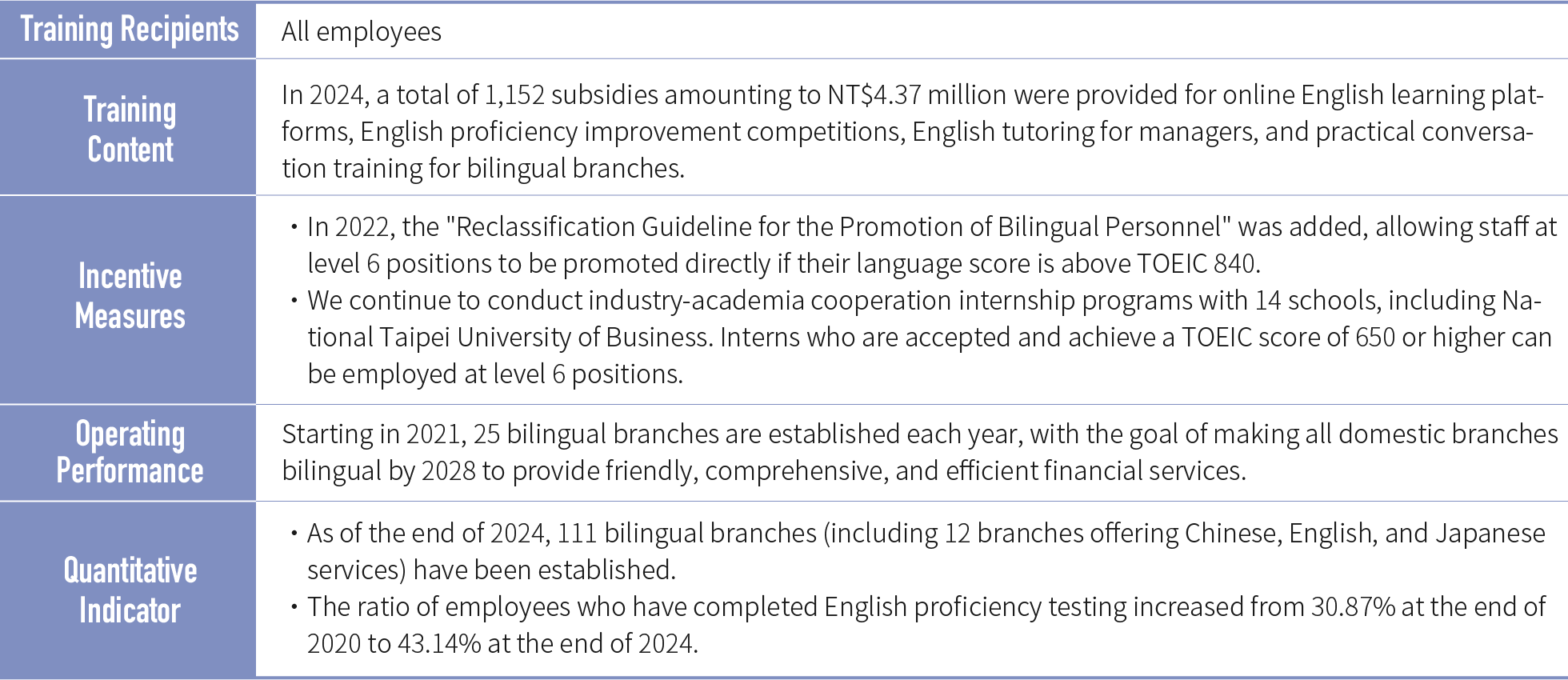
・In response to the FSC's bilingual policy as well as the objective to build bilingual branches, we would conduct foreign language training programs. As of the end of 2024, a total of 3,455 people had passed English proficiency tests such as LTTC, IELTS, TOEFL, TOEIC, BULATS and GEPT. Moreover, 386 people passed Japanese, Spanish, Korean and German proficiency tests at institutions like JLPT and LTTC.
・To increase AML and CFT knowledge and sensitivity, we encourage our employees to obtain the certificates for CAMS and AML & CFT professionals. As of the end of February 2025, a total of 1,448 people within the entire group had obtained CAMS certificates, while 3,602 people had obtained professional AML and CFT certificates. Additionally, to encourage employees to obtain sustainable development certificates, the Group's subsidiaries also provide registration fee subsidies or rewards for certification. As of the end of February 2025, 204 people and one individual had obtained certificates for basic capabilities and advanced capabilities, respectively.
・To raise our practitioners' awareness of professional ethics and to enhance their understanding about and alertness for regulatory compliance and AML, we would conduct education training related to compliance (including anti-corruption and anti-bribery) and AML. A total of 110 sessions were conducted in 2024. Total training duration amounted to 64,465 hours, and a total of 32,470 people participated in the training.

◎ Bilingual Talent Development Program
◎ verage employee training hours and training expenses in past years
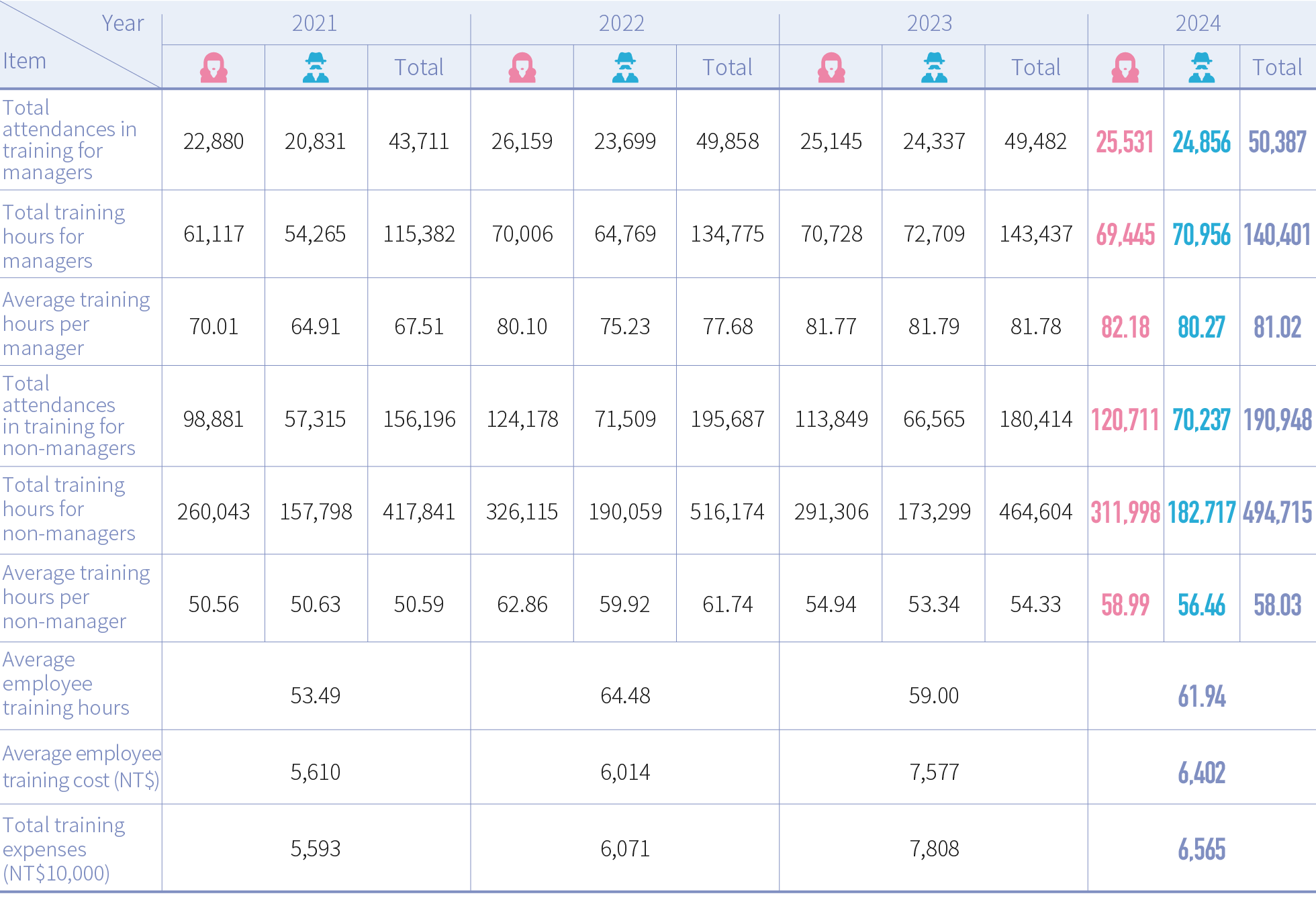
*1:Managers refer to employees who assume managerial roles and administrative duties.
*2:Training include physical and online courses.
◎ Return on human capital investment of First Financial Holding in the past 4 years
